.png)
Biodiversity at the Heart of Skerries Mills
Skerries Mills Community Garden is a living space for nature, created to support pollinators, protect local wildlife and encourage the community to reconnect with the natural world.
Why Biodiversity Matters
Biodiversity is the variety of life around us, from the smallest insects to the plants, birds and animals that share our local environment. A healthy garden is more than a beautiful space.
It provides food, shelter and safe habitats for wildlife, while helping people understand the importance of protecting nature. At Skerries Mills Community Garden, biodiversity guides the way we plant, maintain and develop the garden.
100%
Natural approach to gardening & habitat care
Planting for Pollinators
Pollinators play a vital role in keeping our environment healthy. Bees, butterflies and other insects help plants reproduce, support food production and keep natural ecosystems balanced.
Wildflowers
Providing colour, nectar and pollen for bees and butterflies.
Herbs
Supporting insects while also connecting the garden with the Watermill Café.
Native Plants
Helping local wildlife thrive with plants suited to the Irish environment.
Natural Habitats
Creating safe places for insects and other species to feed, rest and shelter.
Supporting the Large Carder Bee
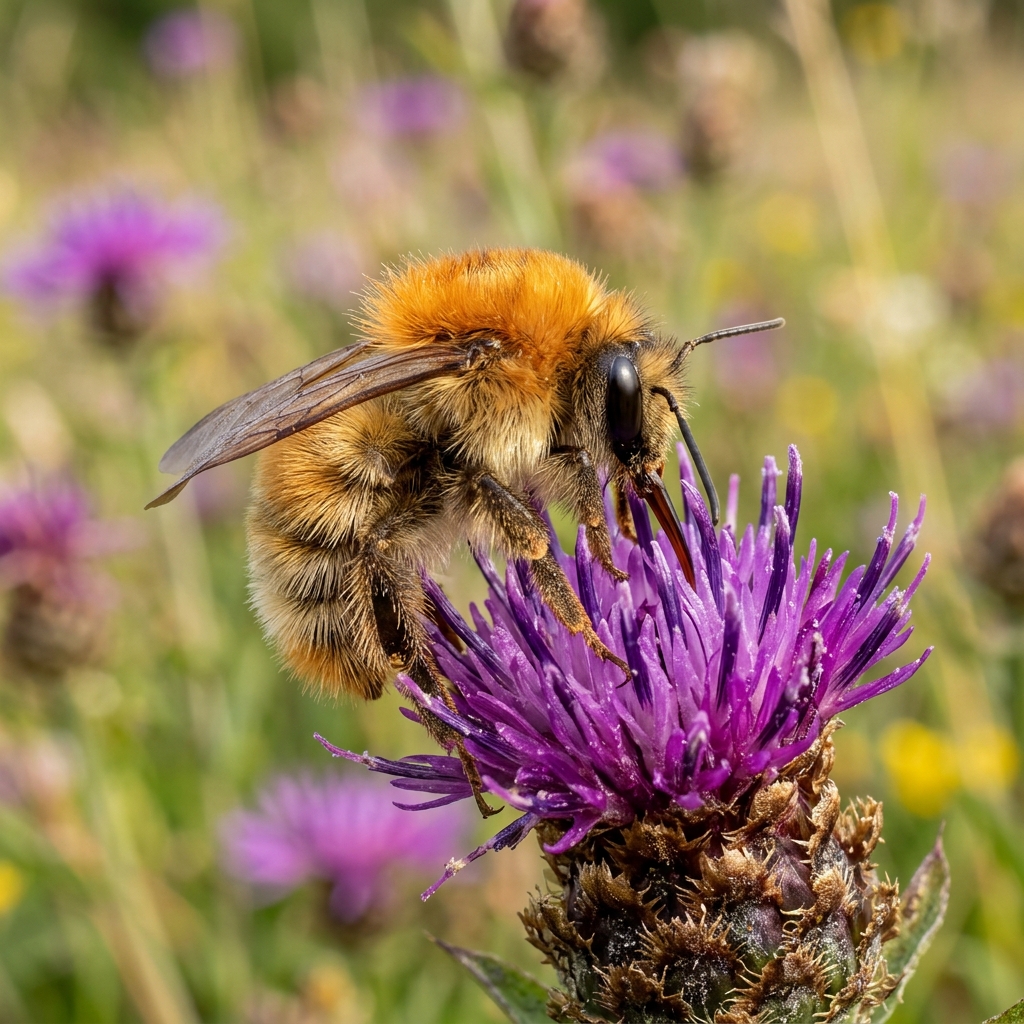
One of the garden's most important biodiversity stories is its role in supporting the Large Carder Bee, a rare bumblebee species found in Skerries.
The garden helps provide the food sources and habitat this bee needs to survive, making it part of a wider effort to protect pollinators across the town.
💡 Did you know?
The Large Carder Bee depends on flower-rich habitats and long grass areas. Small changes in how gardens are planted and maintained can make a big difference.
Part of a Wider Biodiversity Corridor
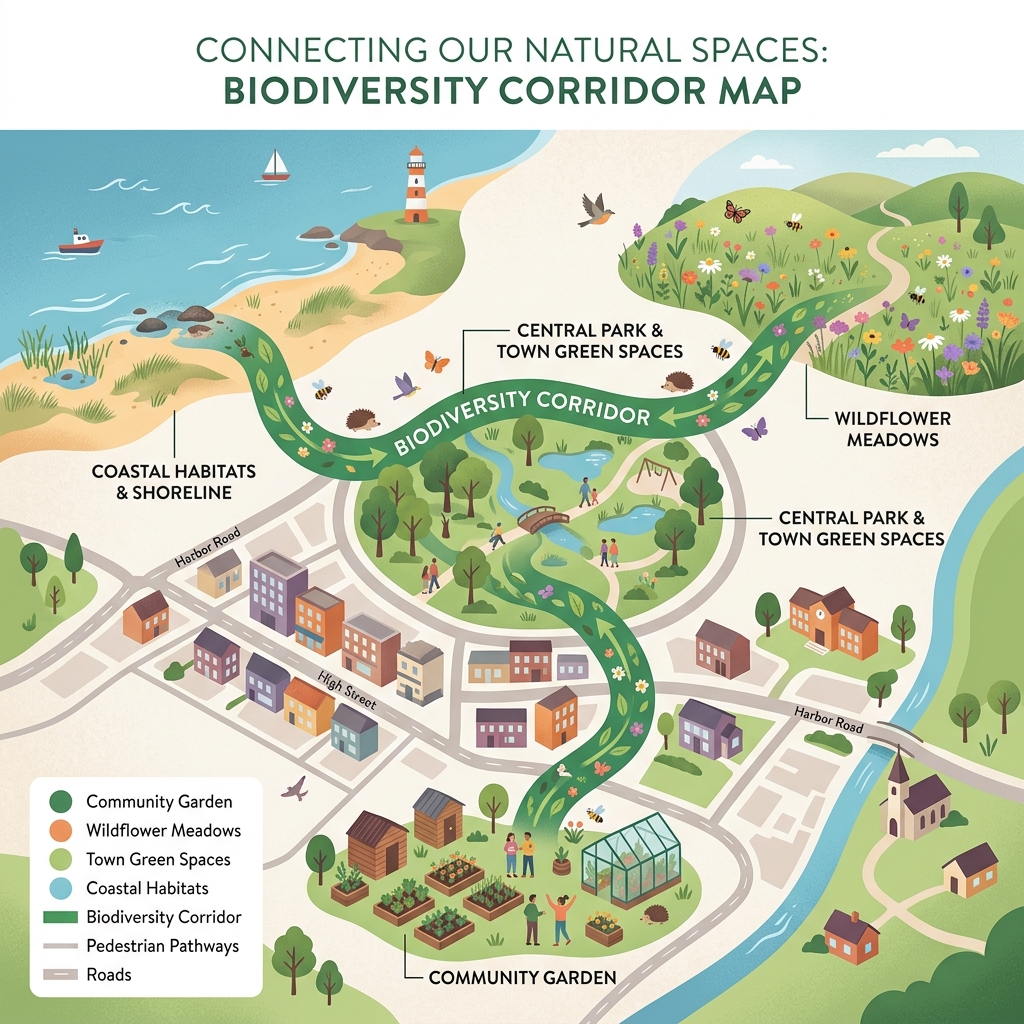
The garden is not working in isolation. It forms part of a wider local effort to create connected habitats across Skerries.
These spaces act like stepping stones for pollinators, helping bees and other wildlife move safely through the town. This approach shows how small green spaces can have a much bigger impact when they are connected through community action.
How We Help Wildlife Thrive
Biodiversity is supported through everyday choices in how the garden is cared for. Instead of over-managing the space, the garden allows nature to play an active role.
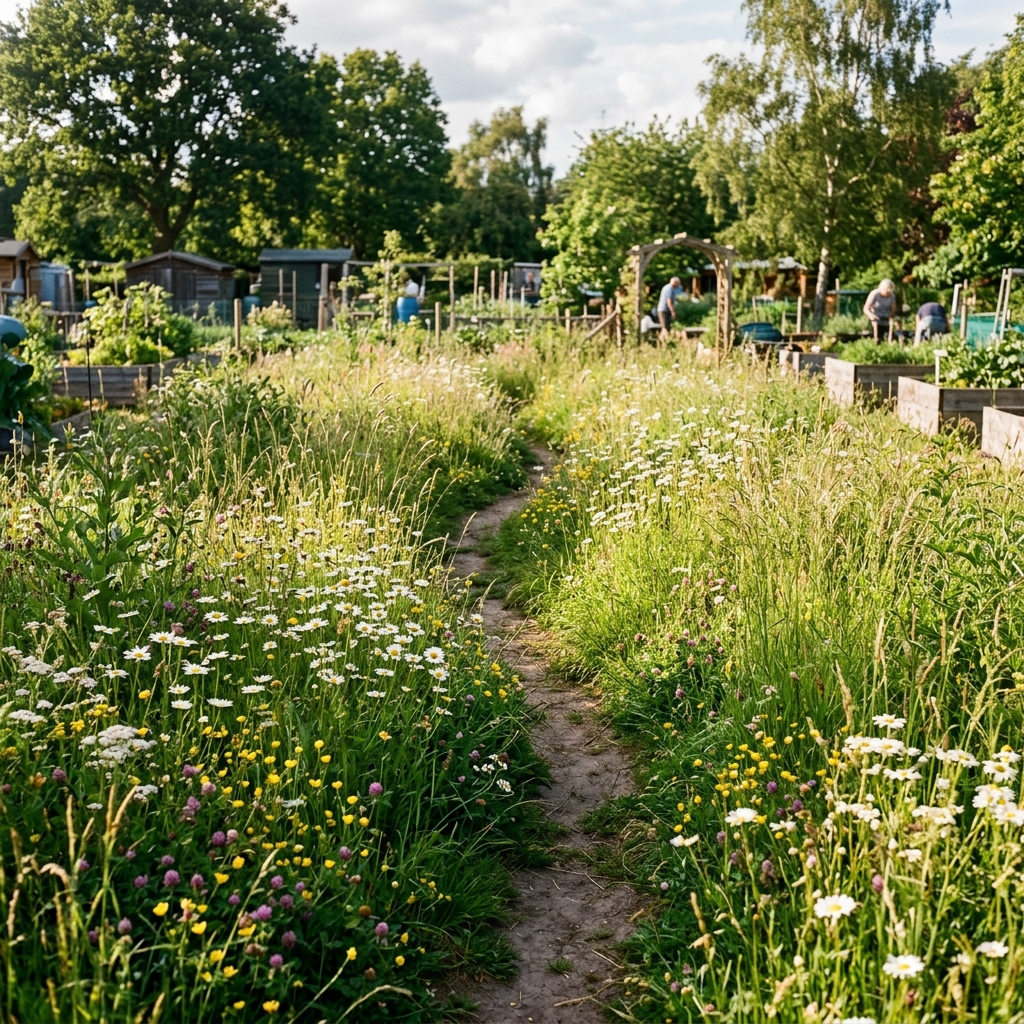
Less Mowing
Allowing grass and wildflowers to grow gives insects more places to feed and shelter.
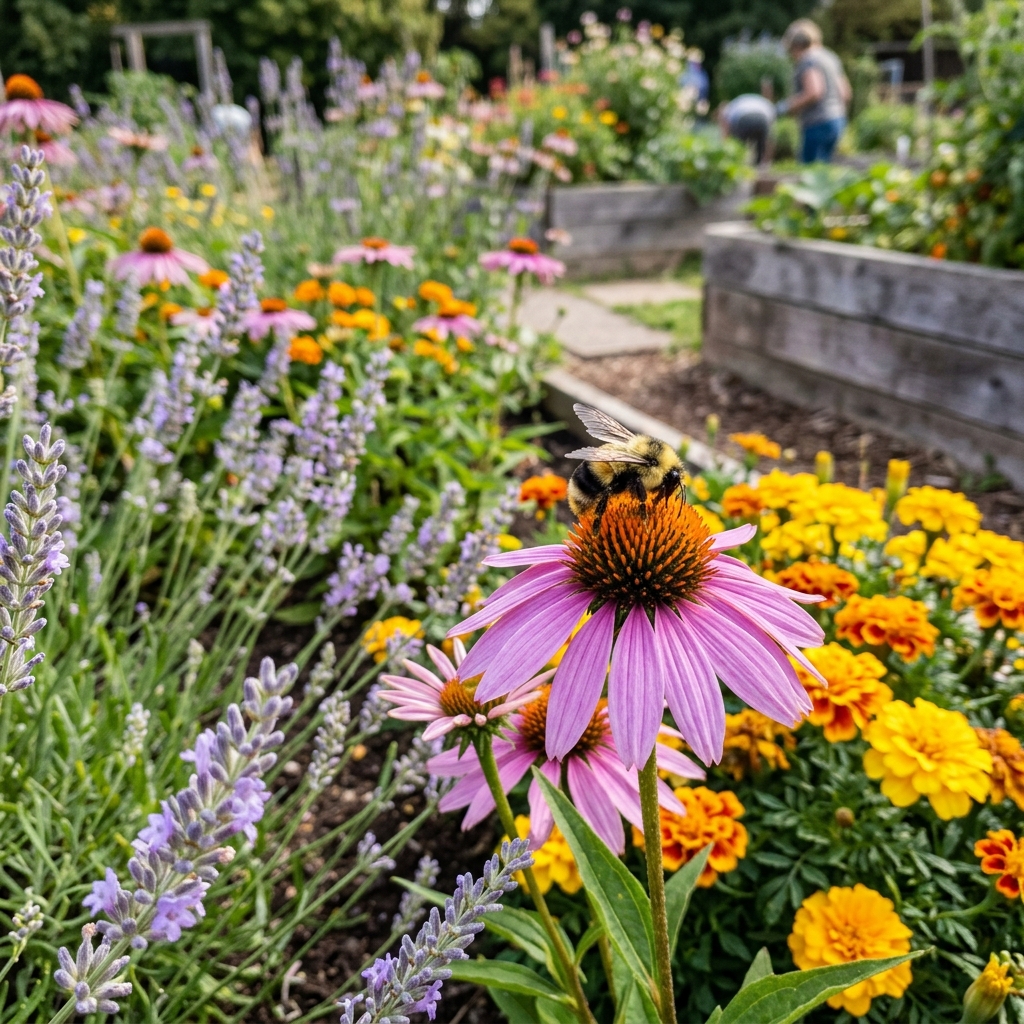
Seasonal Planting
Choosing plants that flower at different times helps provide food across the year.
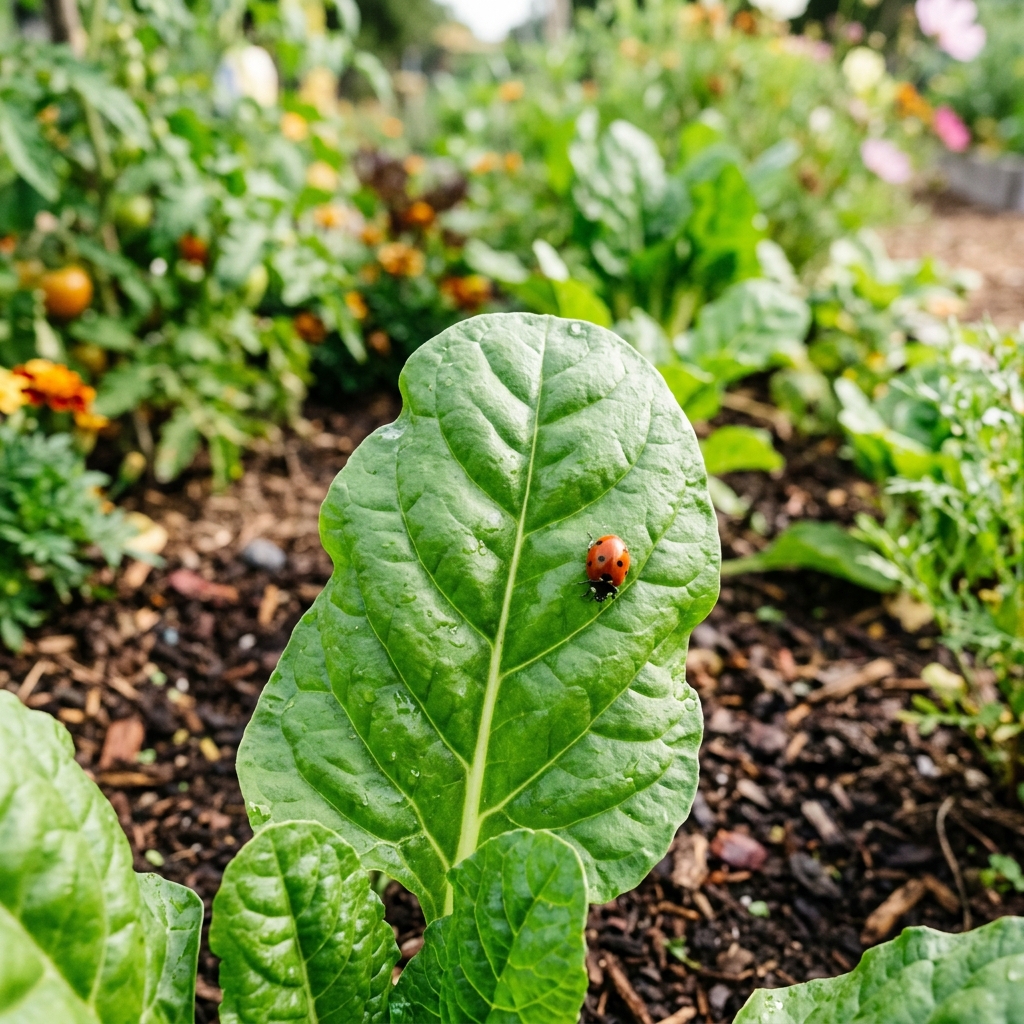
No Harsh Chemicals
A natural approach helps protect pollinators, soil life and other wildlife.
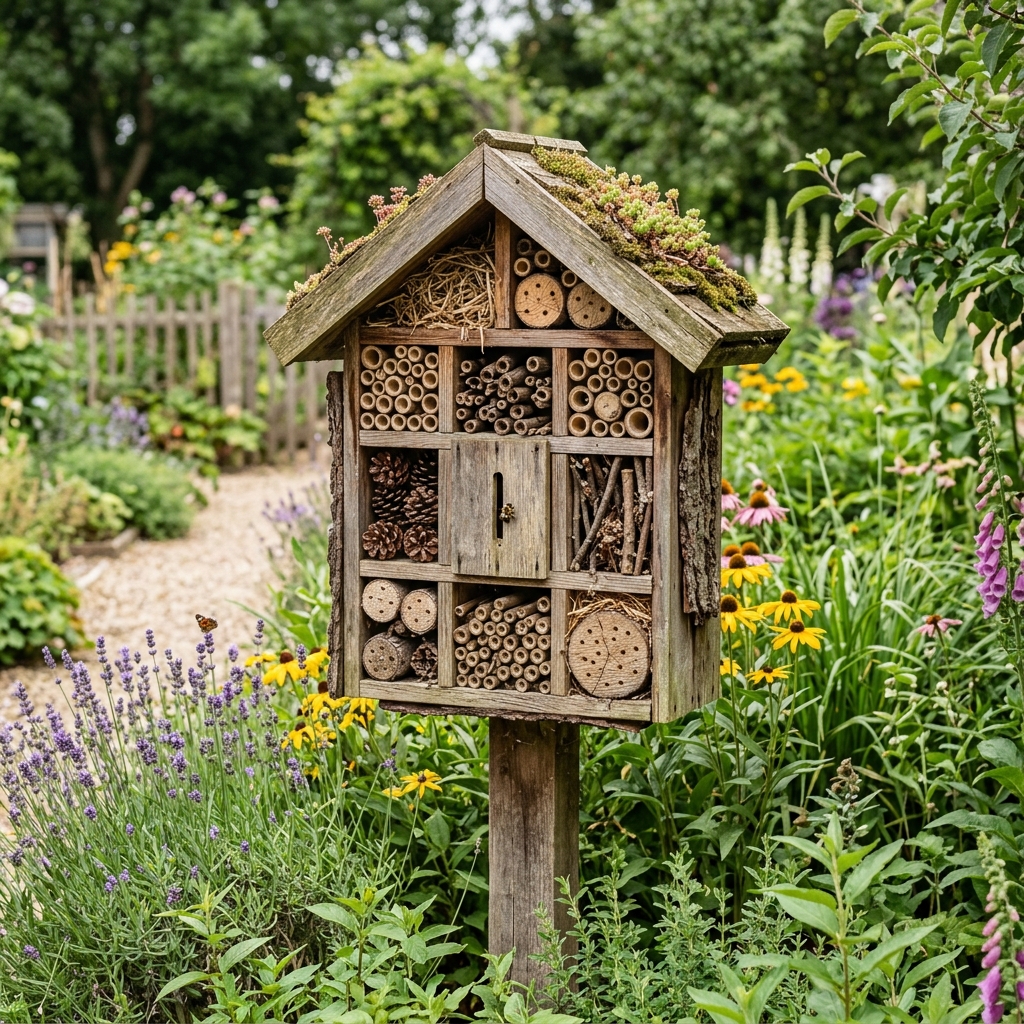
Shelter and Habitat
Leaving space for insects, birds and small creatures helps support a balanced ecosystem.
Pollinator-Friendly Plants
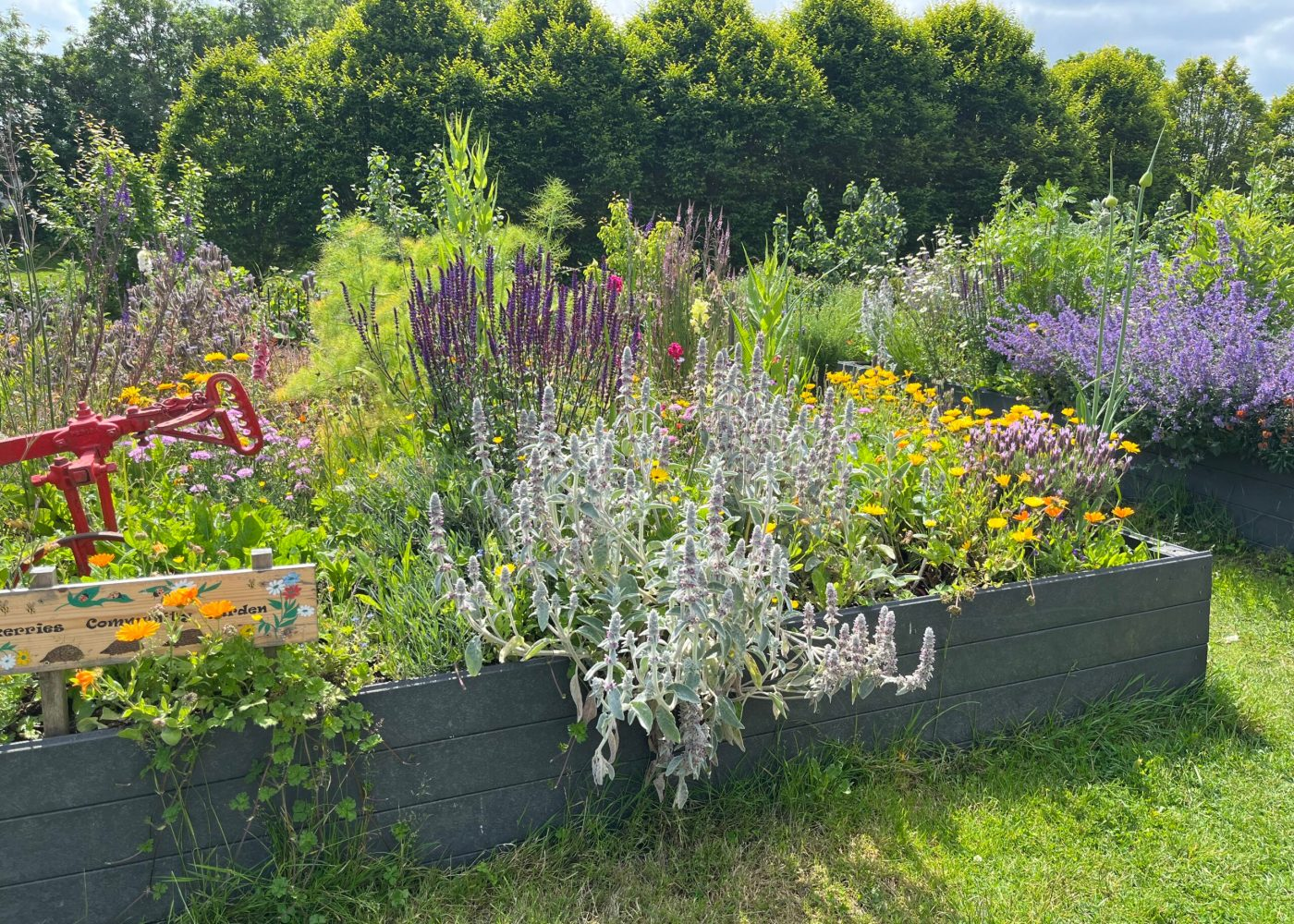
The garden includes a mix of plants that provide nectar, pollen and shelter for pollinators. These native species create a colourful, wildlife-friendly space.
Red Clover
A valuable food source for bees.
Knapweed
A strong nectar plant for many pollinators.
Lavender
Loved by bees and butterflies during summer.
Birds-foot Trefoil
A useful native wildflower for insects.
Dandelion
An early food source for pollinators.
Catmint
A long-flowering plant that attracts bees.
Learning Through Nature
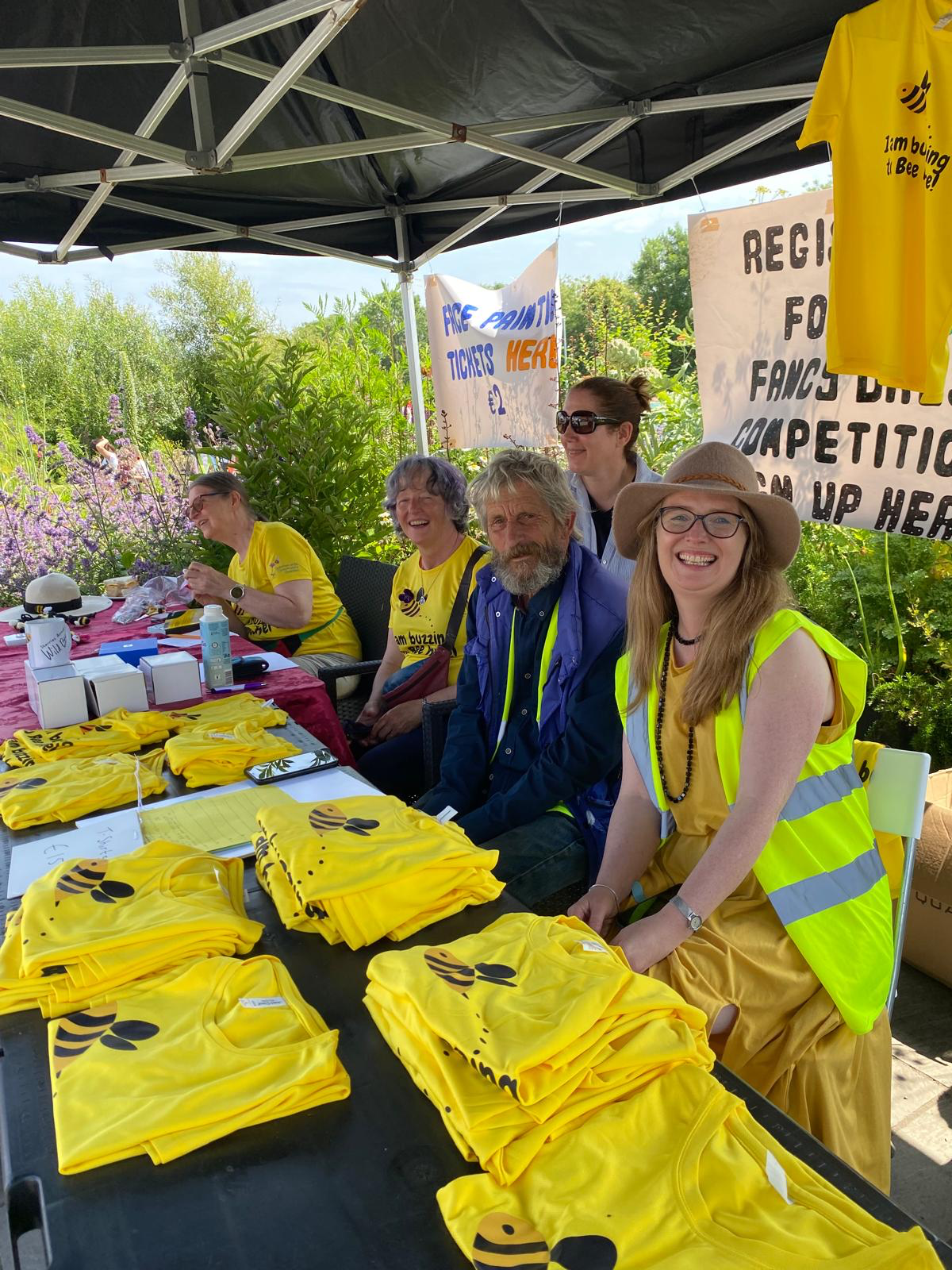
The garden gives visitors, volunteers and families the chance to learn about biodiversity in a simple, hands-on way. Through planting, events, and workshops, we help people support nature in their own homes.
Help Biodiversity at Home
You do not need a large garden to support biodiversity. Small changes at home can help create more food and shelter for pollinators and wildlife.
Plant pollinator-friendly flowers
Let a small patch of grass grow longer
Avoid using harsh chemicals
Add herbs such as lavender, mint or thyme
Leave some natural shelter for insects
Choose native plants where possible
Help Us Grow a Wilder,
Healthier Skerries
Skerries Mills Community Garden is proof that local action can make a real difference. Whether you visit, volunteer, attend an event or plant for pollinators at home, you can help support biodiversity in Skerries.